
Boost Wellbeing Through Texture and Fabric Choice
Designing a beautiful home is one thing, but creating a space that feels comfortable, calm and purposeful is something else entirely. At Stripe Interiors, we believe fabrics are not just a finishing touch, they are fundamental to how a space performs and how you feel in it.
From soft furnishings that invite you to relax, to functional materials that buffer sound, regulate temperature or withstand the outdoors, the textiles you choose can significantly enhance your day-to-day living experience.
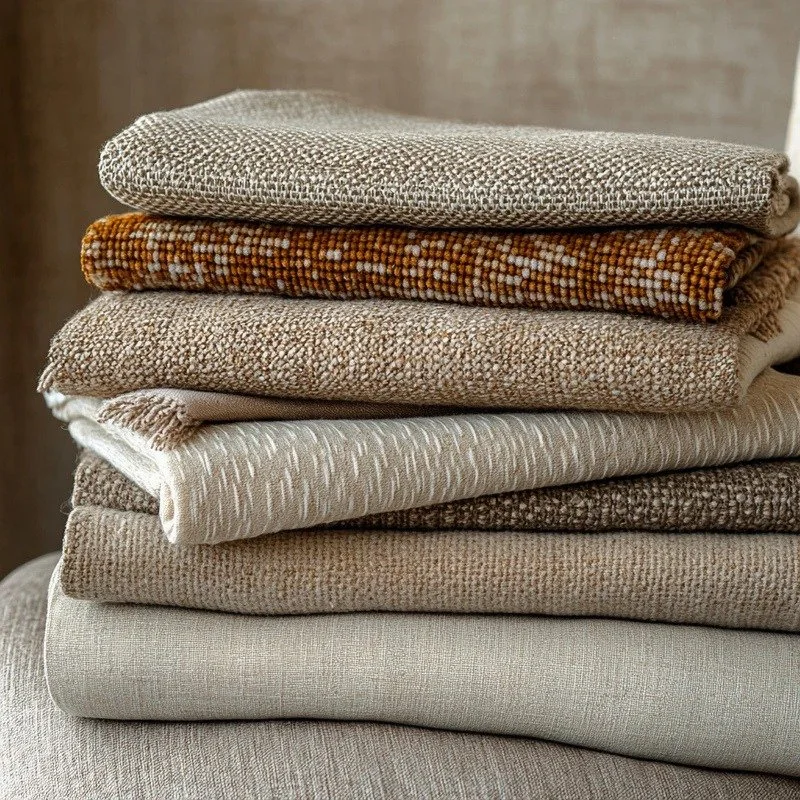
Weaves, textured fabrics.
Why Texture Matters
Texture is more than a visual element, it's deeply tied to how we interact with our environment. Whether you're sinking into a soft velvet armchair, closing thick curtains to block out sound, or brushing your hand across a crisp linen blind, texture plays a powerful sensory role.
We often underestimate the emotional influence of our surroundings. Tactile stimulation, the sensation of different textures, can evoke real emotional responses. A soft fabric might trigger comfort and security, while something structured may provide a sense of grounding.
Texture engages multiple senses, not just sight and touch, but also smell and even sound. The soft rustle of linen or the hush of velvet can subtly shape how a space feels.
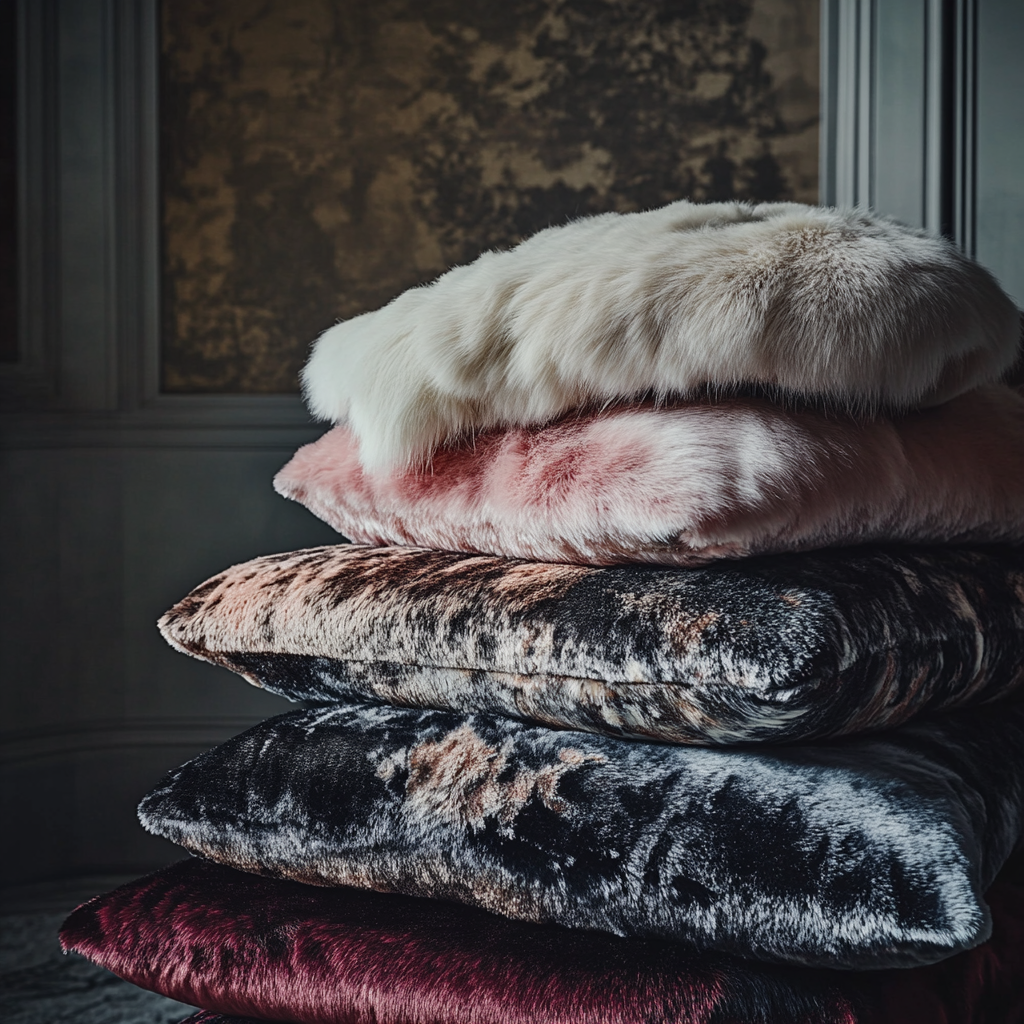
Faux Fur and Velvet Fabrics
Types of Texture and Their Emotional Impact
Plush and Comforting — Velvet, bouclé, faux fur. Encourages relaxation, warmth and a sense of luxury. Ideal for cushions, throws, headboards, accent chairs.
Natural and Breathable — Linen, cotton, wool. Promotes freshness, calm and a restful atmosphere. Ideal for curtains, bedding, upholstery, Roman blinds.
Structured and Grounding — Leather, jute, heavy weaves. Offers a sense of order, structure and resilience. Ideal for ottomans, rugs, armchairs, floor cushions.
Dense and Layered — Felt, quilted, weighted and technical fabrics. Offers insulation, thermal or acoustic performance. Ideal for keeping warmth in or noise out, and zoning specialist spaces.
Design tip: mix soft and structured textures for balance, the contrast creates a dynamic yet comfortable space.

Fabrics Used in a Sensory Space
Fabric for Function: Making Your Home Work Better
Fabrics aren't just aesthetic, they play a vital role in how well your home functions. Here are some of the key ways fabric can support wellbeing and enhance your space.
1. Acoustic Softening
In open-plan homes or rooms with hard surfaces, sound can bounce and echo. Fabrics help absorb noise and soften acoustics, particularly useful in open-plan working and living areas, where hard surfaces can create an unwelcome 'echo.' Specialist acoustic curtain fabrics are designed with this in mind, and some beautiful voile styles now achieve this while still preserving light and connection to the room.
Best fabrics for sound buffering: heavier materials like wool, velvet, felt and dense weaves; interlined curtains; upholstered furniture and layered cushions; wall-mounted fabric panels or upholstered headboards; technically designed acoustic fabrics.
Where to use them: living rooms, bedrooms, home offices, open-plan areas, media rooms.
2. Thermal Insulation
Fabrics can also play an important role in regulating temperature. Layered and lined textiles help trap warmth in colder months and protect against heat in summer.
Best options: thermal or blackout-lined curtains; heavy wool or thick cotton weaves; upholstered furniture and thick rugs; Roman blinds with interlining.
Where to use them: older properties, draughty windows, north-facing rooms, and bedrooms or living rooms where a warmer, more luxurious finish is wanted.
Design tip: floor-length curtains with a thick lining help block draughts and keep rooms cosy in winter and cool in summer.
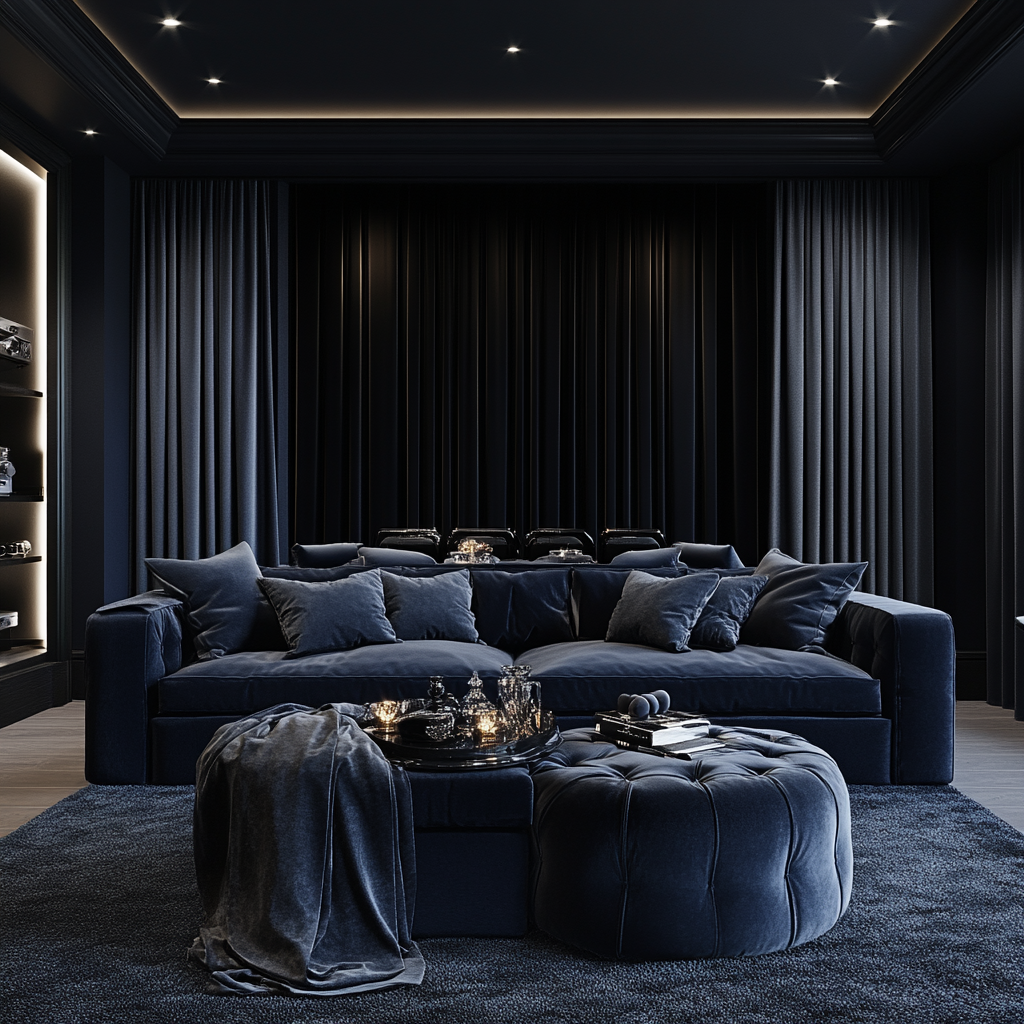
Media Room Fabrics
3. Durable Fabrics
Not all fabrics are created equal when it comes to wear and tear. Choosing the right textures ensures longevity and performance, especially in family homes or outdoor settings.
Best fabrics for durability: performance fabrics, stain and fade resistant; outdoor textiles, UV resistant and waterproof; leather, faux leather and vinyl, easy to wipe clean; tight weaves like canvas, twill or treated cotton.
Where to use them: kitchens, family rooms, outdoor furniture, children's areas, high-traffic zones.
Design tip: for garden rooms or patios, outdoor-grade fabric will resist sun fading and mildew, paired with an outdoor-use foam for longevity.

Fabrics for Insulation and Heat Control
4. Layering Textures
Layering different materials helps create a rich, tactile environment that feels inviting and complete. It also allows for flexibility, adding or removing pieces seasonally to suit your needs.
Try layering: wool throws over linen bedding; velvet cushions on structured cotton upholstery; sheer linen blinds beneath heavier curtains; natural rugs, jute or sisal, paired with softer wool rugs on top.
Benefits: adds depth and comfort, enhances insulation and acoustics, allows for seasonal flexibility, invites touch and personal connection.
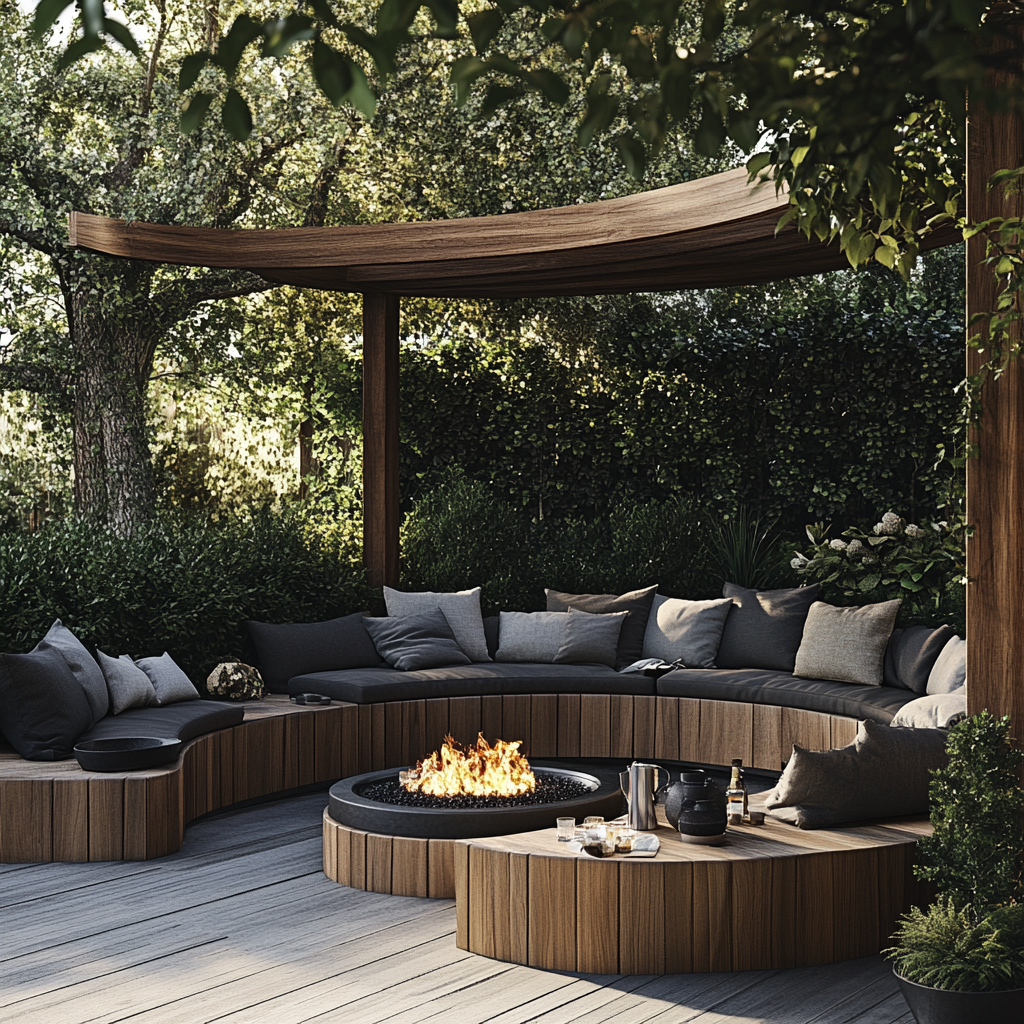
Outdoor Fabrics
Final Thoughts
Fabrics are more than decorative, they're functional tools that can dramatically improve how your home feels and performs. From softening noise and regulating temperature to creating spaces that soothe or energise, your fabric choices have a real impact on wellbeing.
At Stripe Interiors, we help clients choose the right textiles not only for style, but for purpose. Whether you're designing a peaceful retreat, a practical family space, or a multi-functional room, we'll help you layer textures that work as hard as they look good.
Ready to reimagine your space with fabric choices that improve how it feels? Book a consultation, or visit us on Instagram @stripeinteriors for more inspiration.
