
Everything we make is bespoke, so there is no price list to point to. What we can do is show you how the price is built, so you can see where the money goes and what each choice means to the finished result. The prices below are a guide and a starting point, include VAT, and we confirm a full estimate after a home visit.
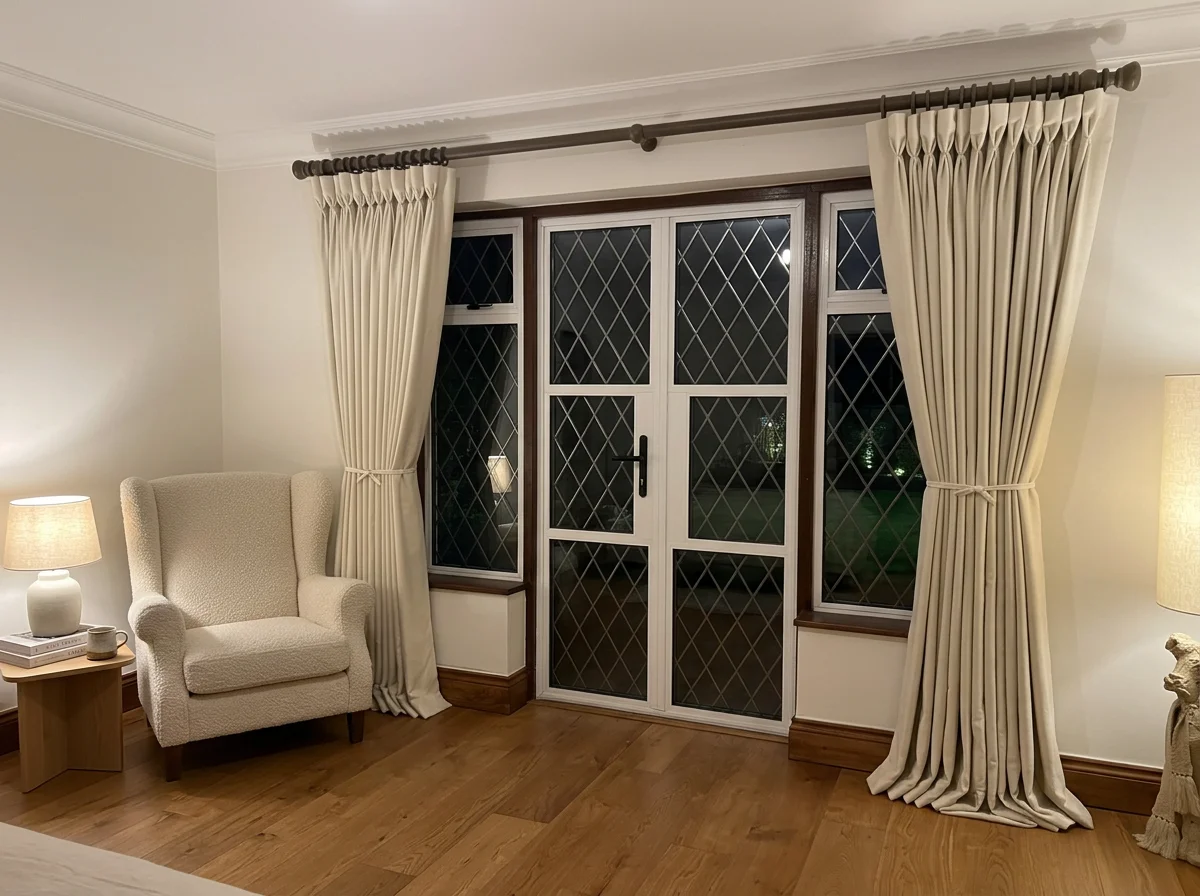
Puddled interlined goblet pleat curtains
What decides the price of curtains
Three things decide the price of curtains: the fabric, the making and the size of the window.
Fabric. Curtain-weight fabric starts at around £20 per metre and rises considerably for designer ranges. The amount you need depends on the width and drop of the window, the heading, and whether the fabric has a pattern to match across the widths. We calculate the exact amount when we measure. Wide-width fabric, which is woven wider than standard, can reduce both the number of joins and the amount of fabric needed, so it is worth asking about when you choose.
Making. This is where the greatest difference in price lies, and the clearest way to show it is a real estimate. We priced a pair of curtains for a window with a 150 cm track or pole and a 220 cm drop, in the same entry-level fabric, made in two ways. Both prices are for a pair of curtains, so you can use them as a guide for a window of similar size.*
Machine-finished, lined, with a pencil pleat or tape heading: £264.36
Hand-sewn, interlined, with a triple pinch pleat: £775.20
The fabric is identical, so the difference is all in the making. The hand-sewn interlined pair is the top of the range option, the interlining adds a layer of fabric and labour, and all process are hand sewn, which takes far longer. It hangs with a fuller, softer fall that machine-made curtains rarely match. The machine-made pair is comparable to the made-to-measure service of a high-street department store, and it is a sound choice for many rooms.
Headings. The heading you choose changes the look of the curtain, the amount of fabric it needs and the time it takes to make. Different headings use different volumes of fabric, so the choice of heading affects the price as well as the way the curtain hangs, and it is worth looking at the options together when you choose your fabric and pole/track.
Trims. A trim adds time and labour, and it is where bespoke comes into its own. It gives your curtains a detail made for your room that nobody else will have.
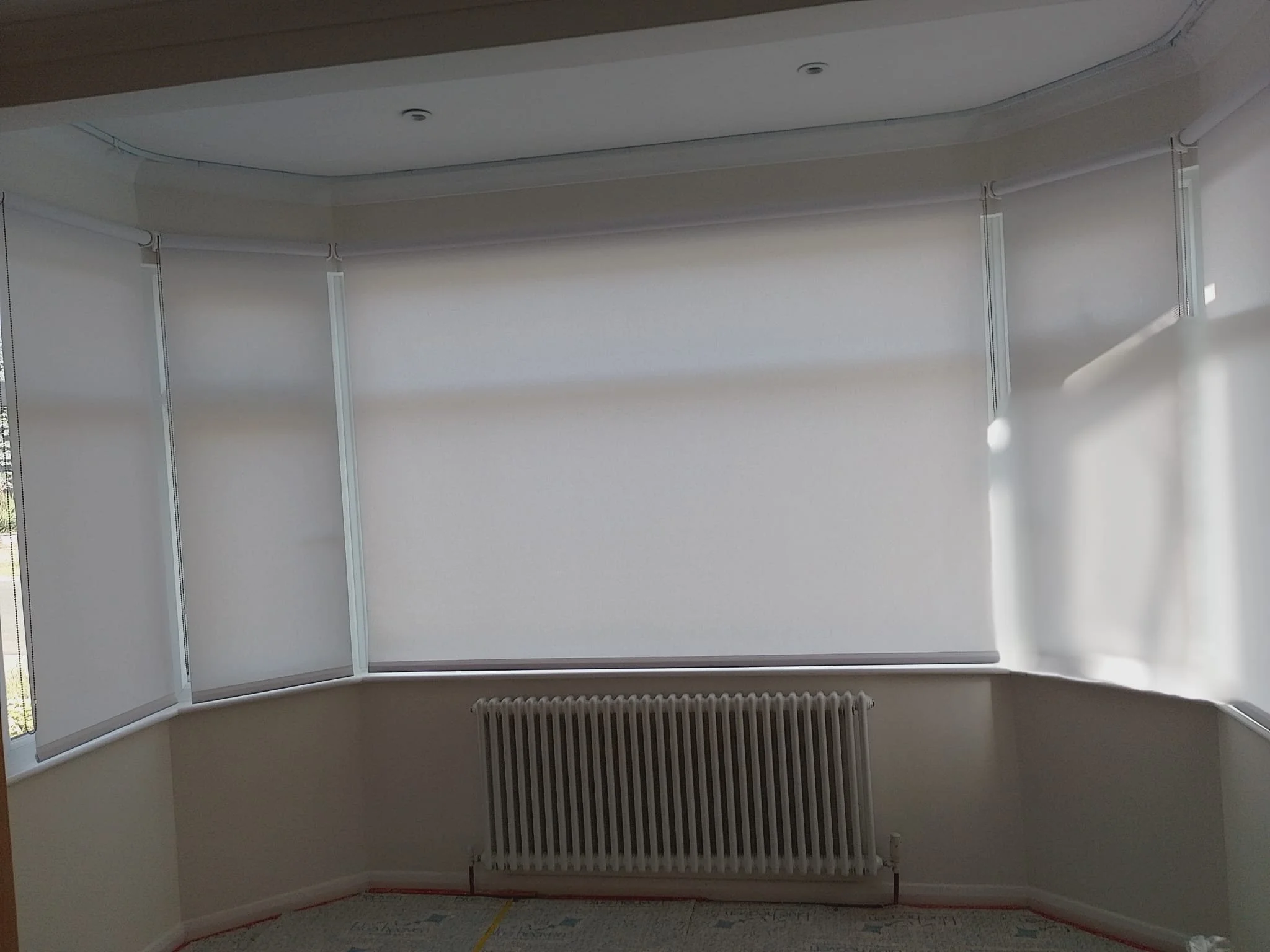
Roller blinds
Roller blinds are a cost-effective way to dress a window, with prices starting from £50. The final price depends on the size of the window and your fabric.

Roman blind in recess
Roman blinds
Roman blinds are more complicated to price, because the cost depends on the size, the amount of fabric, the lining and the mechanism. They are labour intensive and must be legally child-safety compliant. We use child-safety headrails with a 10-year guarantee, and the majority of our blinds are hand sewn using a stab stitch. This also affects how a blind looks against the light: machine stitching leaves rows of stitching holes that let light through, while a stab stitch leaves only the occasional pin-prick. Roman blinds are an economical way to use a statement fabric. If price is a major concern, we also offer a machine-made option in a limited range of fabrics.
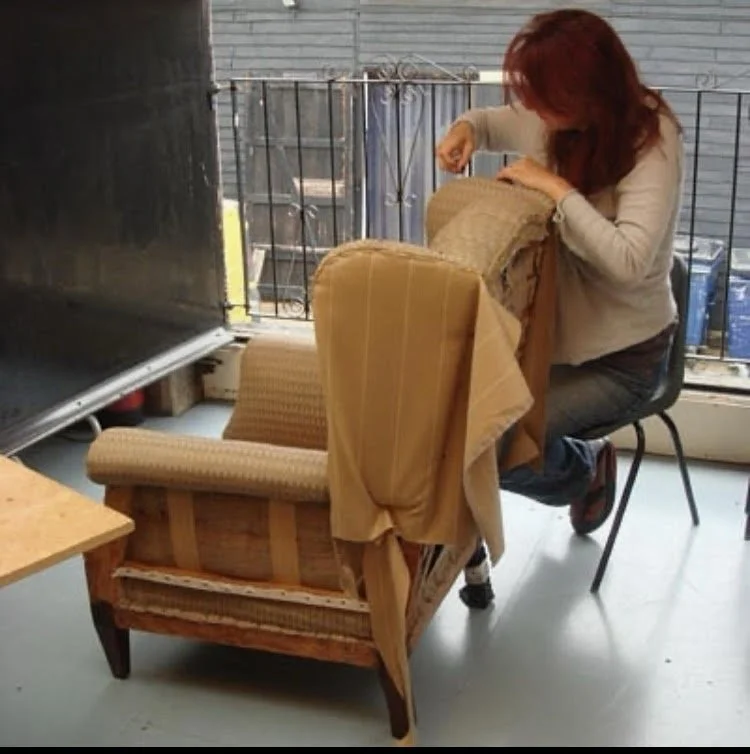
Upholstery
The price of upholstery has three parts: the work, the fabric and any trims. The figures here are for recovering a standard armchair, which is the most useful point of comparison.
The work. A recover begins with taking the existing cover off, and stripping a chair down is a big process in its own right. The old fabric and trims are removed, the chair is checked underneath, and only then is the new cover cut, matched and fitted. The price reflects the processes involved, not only the size of the chair. Our starting price for recovering a standard armchair is £700 inc VAT plus fabric and trims; with bespoke FR fabric and new fills as a a large reupholstered armchair is in the region of £1500. As a guide, the trades directory Checkatrade gives average UK labour costs for an armchair of about £650-£800 plus VAT, fabric and trim charged on top.*
The fabric. A standard armchair typically needs 6 to 8 metres of fabric. Fabric that meets UK fire safety regulations for furniture starts at around £35 per metre, which is £210 to £280 at that entry-level price. Patterned fabrics need extra, so that the pattern matches.
Trims. Piping, buttons, studs and decorative trims add time as well as materials, and they are another place where bespoke comes into its own.
Other pieces. A wing armchair costs more because its wings add further processes, and a sofa costs more again. The price also depends on the condition of the frame and the level of work needed, from a recover to a full refurbishment. Our guide to reupholstering explains the differences, and if you send us a photo of your own piece we can give you an estimate.
Why prices differ
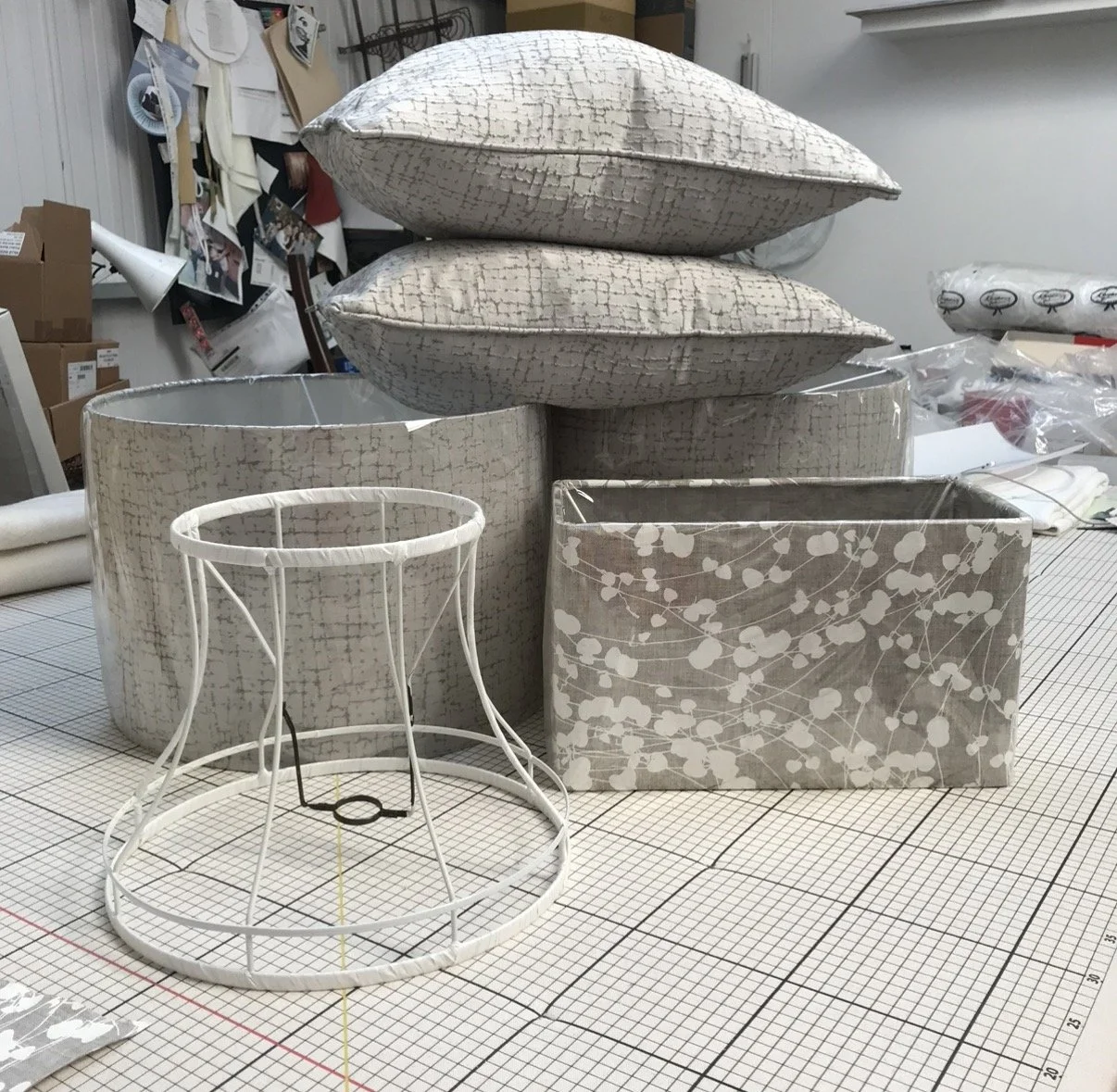
Two quotations for the same window or sofa can differ widely. The difference usually lies in what is included: for curtains, the weight and quality of the lining, whether there is interlining, the fullness of the curtain, hand or machine finishing, the range of fabrics on offer, and how the curtains are constructed, including their hems and side seams. A bespoke curtain is not a ready-made imported product, so it is worth making sure you are comparing like for like.
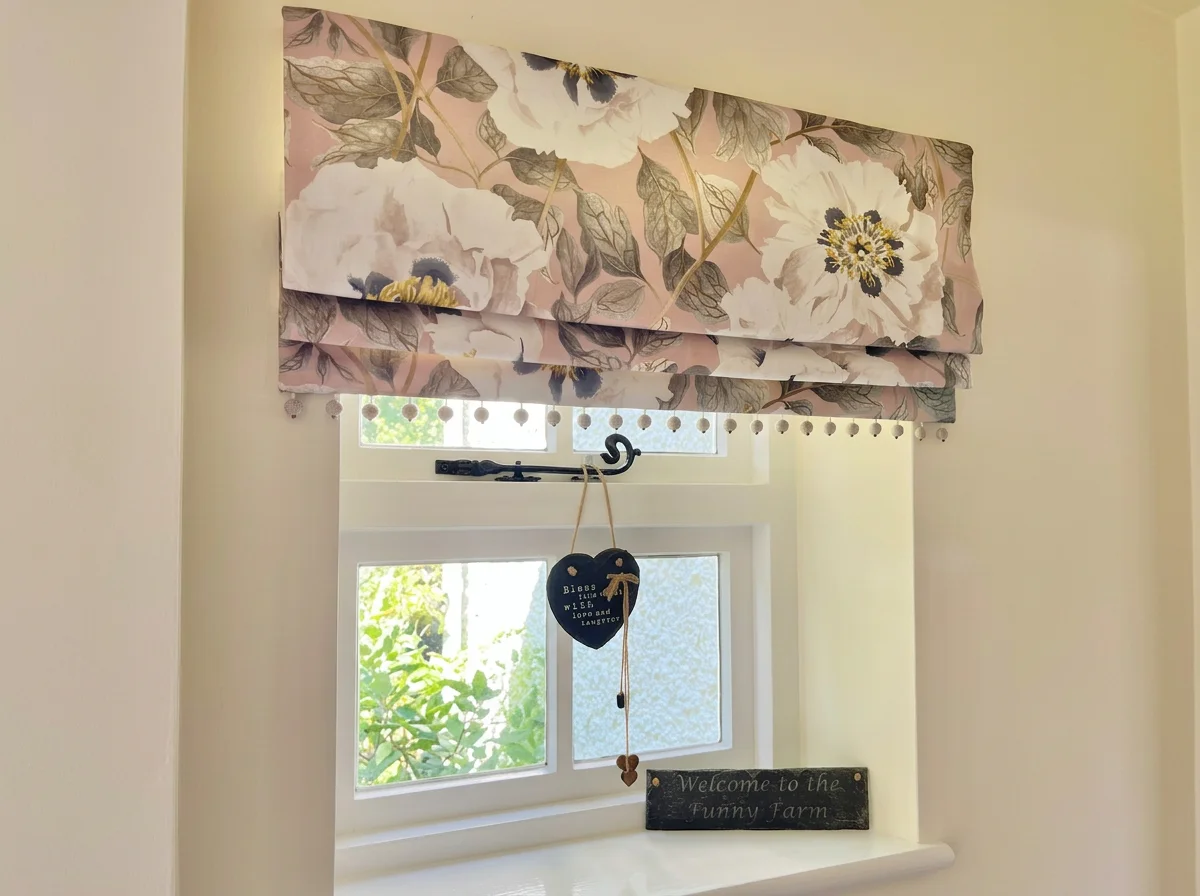
Fixed Cascade Roman Blind with Trim
Why we ask for a deposit
Because every item is made to your measurements and specification, we place the order when your deposit has been received. The full terms are set out in our Terms and Conditions, and we are always happy to talk them through.
Getting an accurate figure
The most reliable figure comes from a home visit, where we measure, look at fabrics with you and talk through the options. If you would like a rough idea first, send us a photo of the window, or the piece of furniture, with approximate sizes, and we can advise.
Want to Talk It Through?
If you are planning new curtains, blinds or upholstery and would like to talk about what it would cost, we would be glad to visit.
*Pricing as of October 2026. Minimum wage increases and other labour costs will effect future pricing.
