
Most people ask this question while looking at a sofa or chair they like in every way except its fabric. The answer is often yes, provided the piece underneath is sound. The next question is how much work it needs, because “reupholstery” covers three quite different jobs: Recover, Reupholster or Refurbish
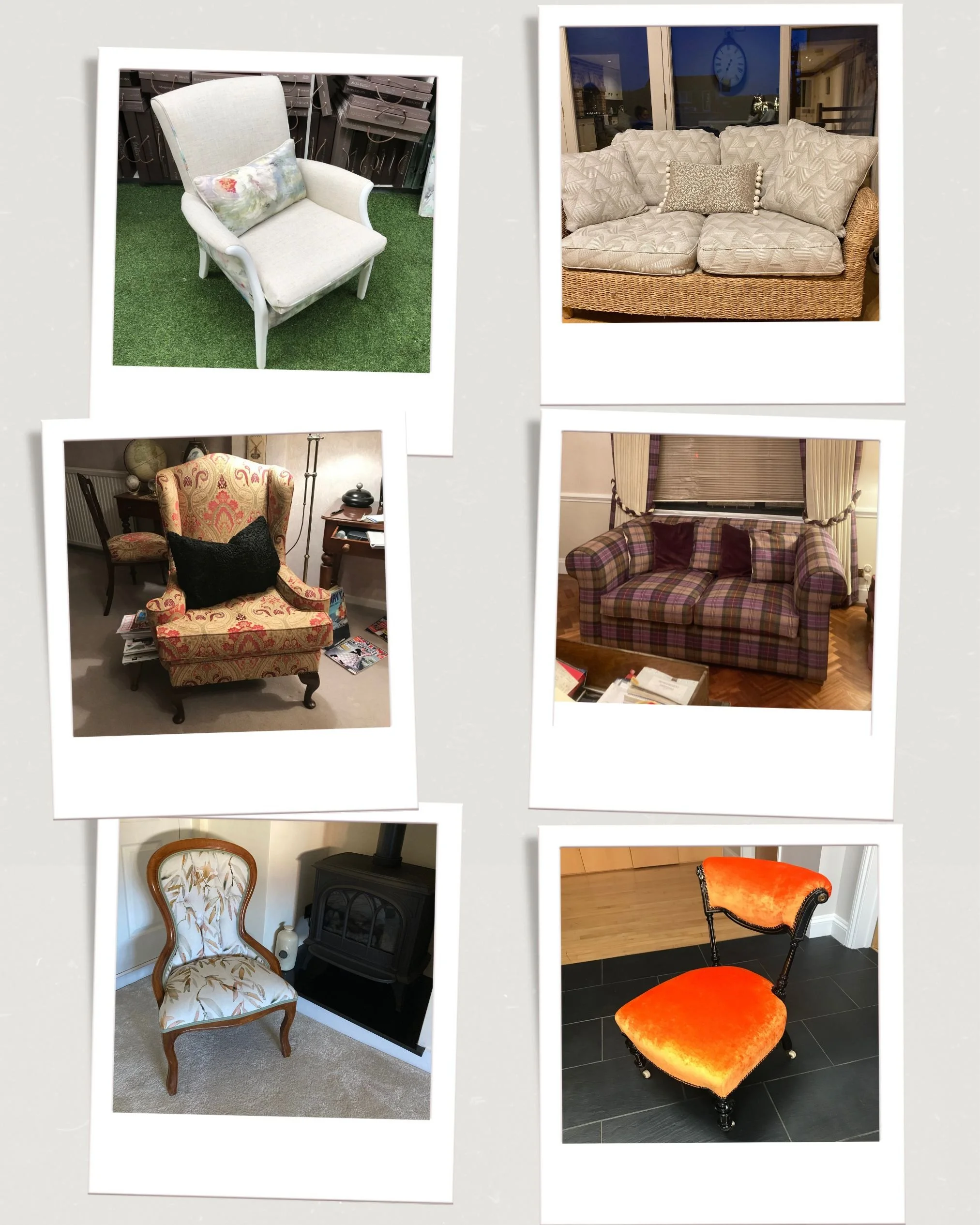
Recover. The old fabric is removed and new fabric is fitted over the existing padding. Nothing underneath changes, so this suits a piece that is comfortable and well shaped and simply needs a new look.
Reupholster. The old cover comes off and the padding is replaced as well. New foams or traditional fillings go in, followed by the new cover. This is the right choice when the seat has flattened, the arms have lost their shape, or you want the piece to feel different as well as look different. Traditional fillings such as horsehair or coir give a different feel from modern foams, and we can talk through which suits the piece and the way you use it.
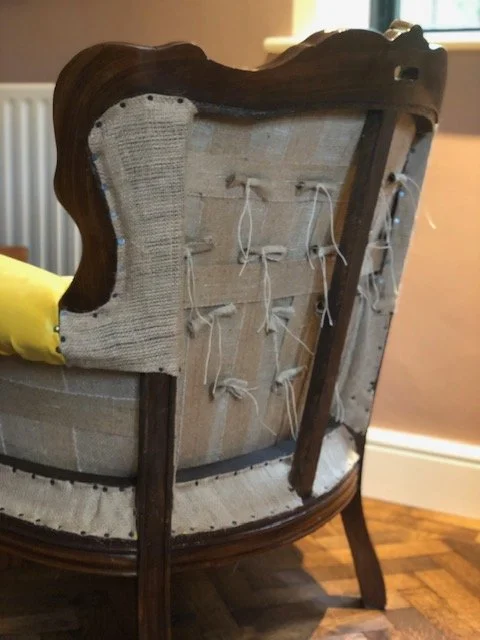
Refurbish. This includes repair work to the frame. The piece is taken right back to the bare frame, (often also called frame-up reupholstery or full restoration); loose joints are glued, dowelled or reinforced, the webbing and springs are replaced and re-tied, and everything above them is rebuilt with new fillings and a new cover. This is the route for a piece with structural wear, for a valued older chair or sofa, or for one whose shape needs restoring. It is the most extensive of the three and suits traditional fillings.
Quotes from different upholsterers may use other names for these jobs, such as stripping and reupholstering, or full reconstructive upholstery. What is useful to know is what will be replaced, what will be repaired, and what will be left as it is.
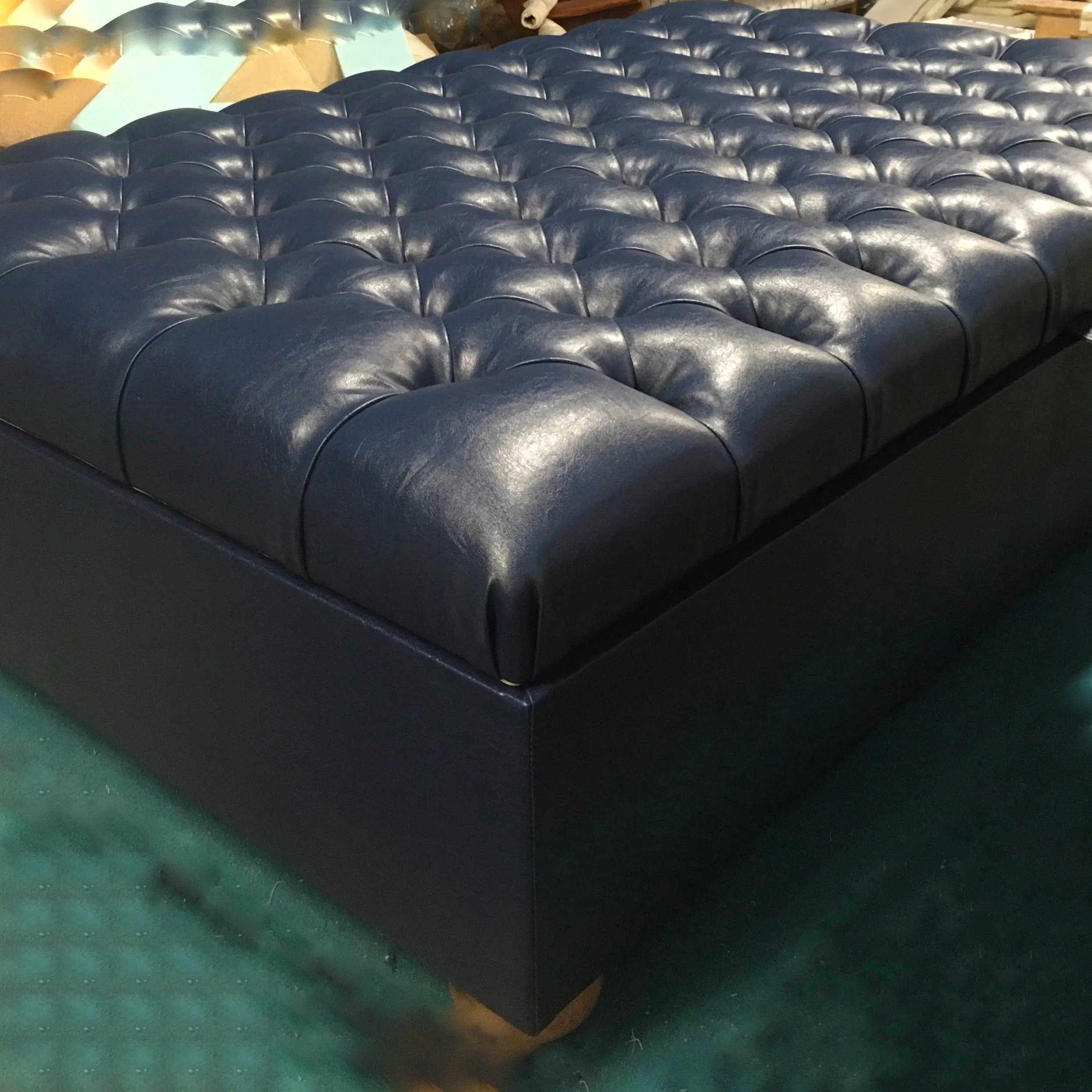
Which one does your piece need?
Sit in several positions. If the seat is comfortable and even, a recover may be all it needs. If it has sunk, or the padding feels hard in some places and flat in others, reupholstering is usually the answer. If the frame moves, creaks or has loose joints, or you can feel a broken spring, it needs a refurbishment.
Check the frame
Lift one corner a few inches off the floor. On a sound frame, the whole piece lifts together. If it twists or creaks, or the other legs stay behind, the frame is flexing. Solid timber frames, often beech or another hardwood, are well worth keeping. Lightweight board frames with stapled joints are harder to justify, however good the cover.
How the cost compares with buying new
The cost rises with the amount of work done underneath, so recovering costs least and refurbishing costs most but do remember that the existing cover has to be taken off and the new one attached - we have seen pieces where rogue work has been done and two covers (once we found 3 ‘top fabrics’). Against a budget sofa, a new one will usually cost less. Against a well-made piece with a hardwood frame, reupholstering or refurbishing is often better value, and the result is made to your specification: the fabric, the feel of the seat and the finishing details.
The price also depends on the size of the piece, how much fabric it needs (stripes, checks and large patterns need more), and details such as piping or buttons. The most reliable figure comes from having the piece seen in person but we are happy to estimate from photos.
Choosing the fabric
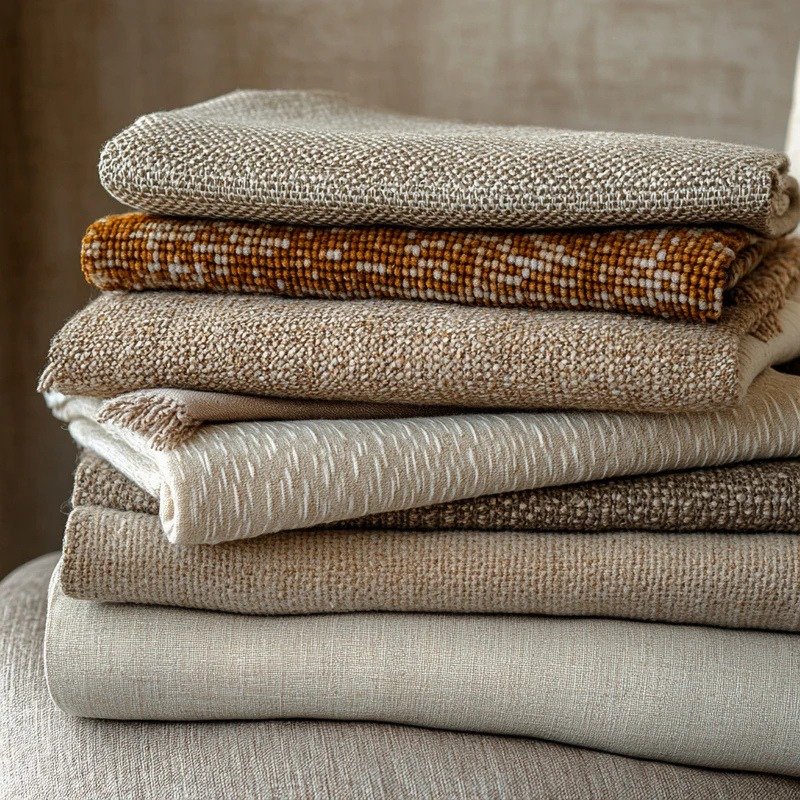
Upholstery fabric works harder than curtain fabric, because it takes friction, - feet on sofas, pets and all on a daily basis. The Martindale rating measures how well a fabric resists wear - it’s a rub text applied until 3 threads break - the higher the number, the more durable the fabric.
Under 10,000 rubs: Decorative use only — Ideal for cushions, accents, or curtains, as it is not built for furniture upholstery but an option for antique pieces where authentic silks and damasks are required.
10,000 to 15,000 rubs: Light domestic use — Suitable for occasional chairs or formal dining room chairs that are not used every day - some that you put your clothes on in a bedroom.
15,000 to 25,000 rubs: General domestic use — Good for everyday household sofas, armchairs, and main family living room furniture.
25,000 to 30,000 rubs: Heavy domestic / Light commercial use — Designed for high-wear home furniture, recliners, or light office and hospitality settings.
30,000 to 40,000+ rubs: Commercial grade — Suitable for heavy-duty commercial spaces, restaurants, hotels, and public transport
The weave matters too. Tightly woven fabrics resist snagging, and performance fabrics suit households with children or pets. Whatever you choose, look at a sample in your own room, in natural light, at different times of the day, before you decide. We love talking fabric so please let us know what you need to suit your lifestyle and the piece you want to reupholster.
N.B. Fillings and covers supplied for furniture must meet UK fire safety regulations, so it is worth asking whoever does the work to confirm this. Everything we do complies with current fire regulations and legal requirements.
When it is not worth it
Reupholstery is not always the right answer, and we would rather tell you so than take the work on. These are the situations where we would think twice:
Modern dining chairs. Many are made with a thin board or plywood seat and a lightly padded top, and the labour of stripping and recovering them can cost close to the price of a new chair, particularly if you have a full set. Where the chairs are solid, well made and a style you love, recovering the seats is a good way to refresh them. Where they were inexpensive to begin with, replacing them often makes more sense.
What you paid for the piece. A useful comparison is the price of the work against the price of an equivalent new piece, bought at a similar quality. If the quote for a recover or reupholster would come close to the cost of buying a comparable piece new, the original needs to be worth keeping for another reason, such as its comfort, its proportions or what it means to you. A well-made sofa that cost a good deal when new is usually worth saving, while a budget one rarely is.
Factory-moulded pieces. Some chairs and sofas are made with a moulded foam or plastic shell, with the cover bonded or fixed in place over a metal frame. There is often no padding that can be replaced separately and no frame to work from, so the piece cannot be rebuilt in the way a traditional one can. These pieces are generally best replaced rather than recovered.
Lightweight or damaged frames. A frame made of thin board with stapled joints, a cracked or badly twisted frame, or one that has come apart repeatedly, is hard to justify, however good the new cover would look. But we have seen frames made from orange boxes and it became a beautiful, long lasting chair - you often can’t tell until a piece is stripped down so you need to be prepared to continue the work.
A shape you have never liked. New fabric will not change how a piece sits, how deep the seat is or how it feels to use. If the proportions have never suited you, a better cover will not fix that.
If you are unsure, send us a photo and we can advise. A picture of the whole piece, with a close-up of the seat and any areas of wear, is usually enough for us to tell you which route makes sense. Sometimes the answer is to recover it, sometimes it is to refurbish it, and sometimes it is to put the money towards something new. If we need to see the piece in person, we can arrange a home visit.
How long it takes
Allow 8 to 10 weeks from the point we receive your fabric and trims. We will confirm the timing once we have seen the piece.
Want to Talk It Through?
If you are not sure whether a chair or sofa is worth saving, or which of the three options it needs, we are happy to take a look on a home visit across Hertfordshire and North London.
